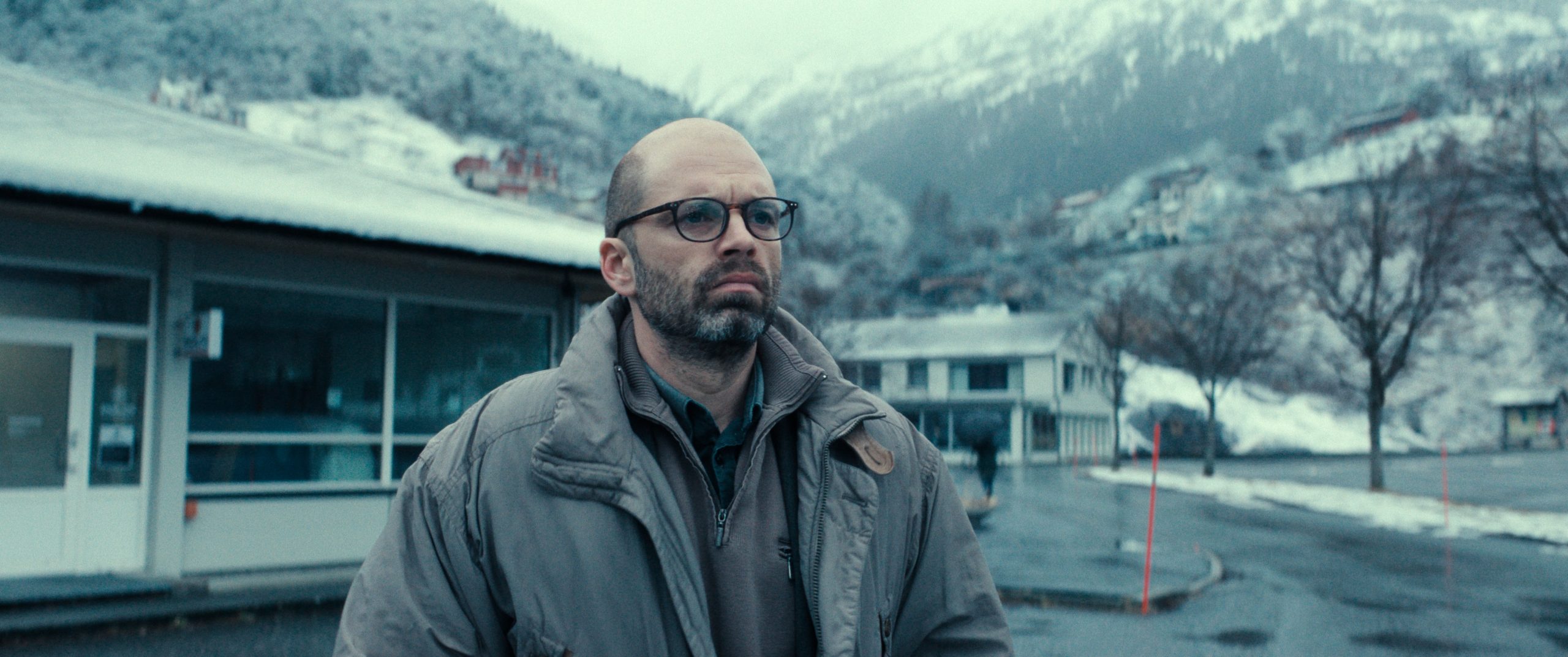
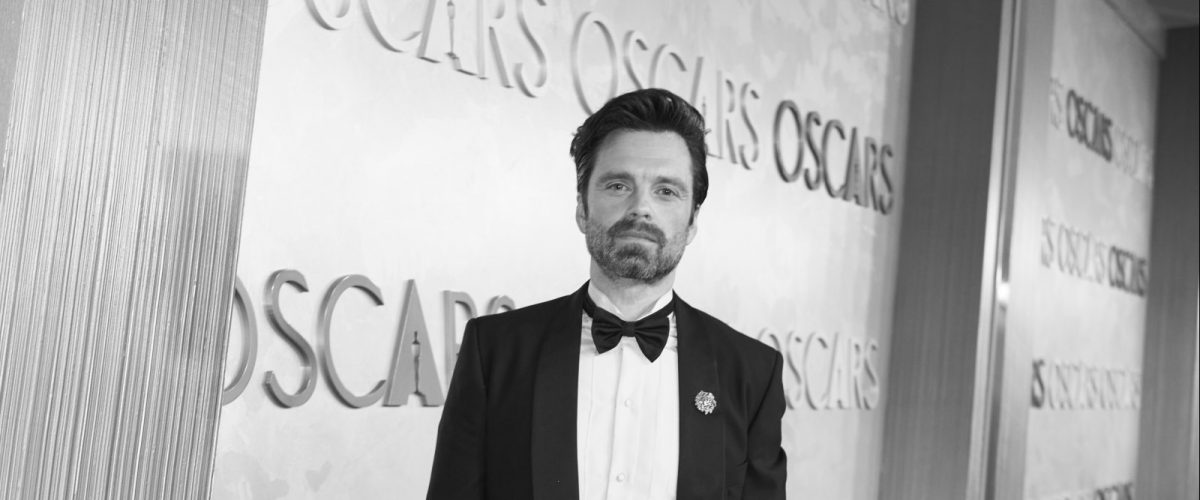
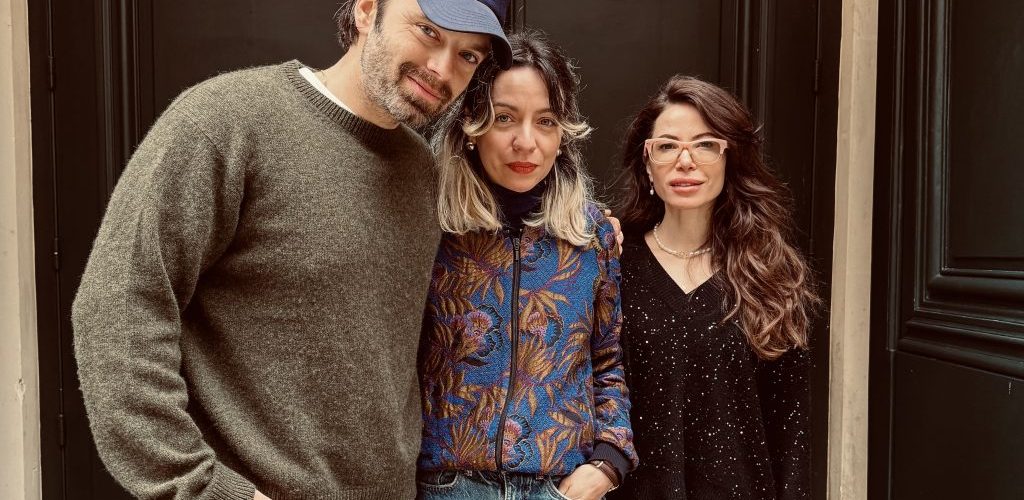
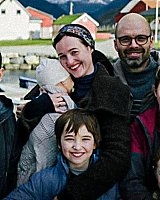
Malul Vânât / A River’s Gaze, the debut feature film by director Andreea Cristina Bortun and also the first Romanian project supported by Romanian-American actor Sebastian Stan , as producer and financier, has been selected in the SMART 7 competition , a network of international festivals supported by the Creative Europe Programme. In Romania, it will be screened at TIFF, the festival being part of SMART 7.
Andreea Bortun talks below about the research work on this film and working with non-professional actors, met in the rural environment. And Sebastian Stan tells exclusively for Cultura la dub why he decided to get involved in the production of the film.
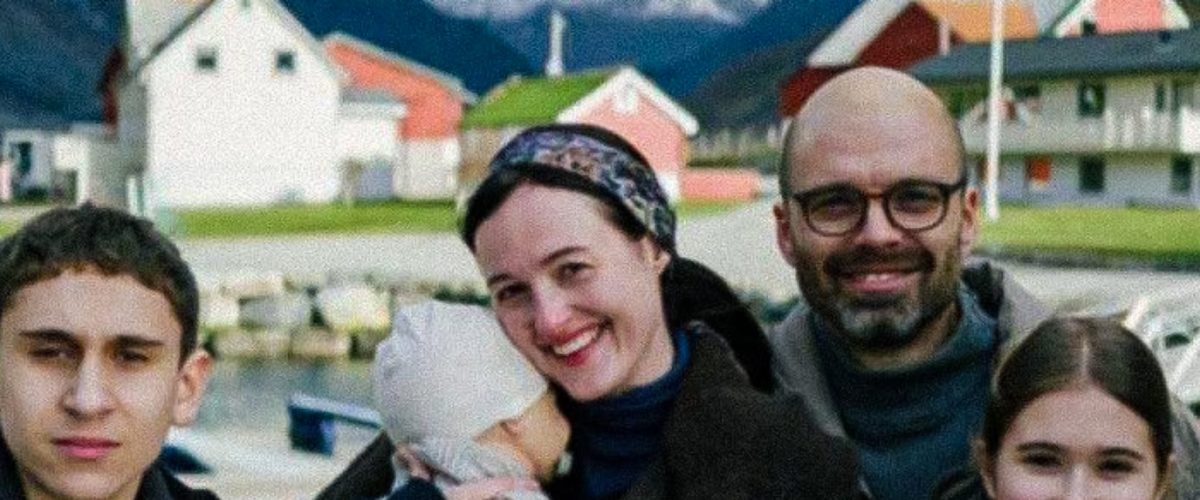
The Blue Shore is the first part of a trilogy about love in the countryside. The film is an anthropological drama that adopts a rare approach: the cast is made up of over 60% non-professional actors, met in the villages where Andreea Cristina Bortun conducted field documentation for six years (2017–2022).
“Thanks to an impressive effort by the entire team, the filming took place over four seasons, capturing the cycle of nature and rural life. The film explores the tense and yet touching dynamic between Lavinia and her 14-year-old son, Dani, in a village in southern Romania. The director talks about combining artistic elements with anthropological work. For me, using artistic research tools borrowed from anthropological fieldwork came at first as something intuitive. It seemed natural and necessary to take part and get to know the world that interested me closely. They bring themselves to the screen first and foremost, and that very real something remains over time. This aspect of hybridity between what may seem documentary, but which is at the same time a product of fiction, is something that interests me as part of my long-term artistic practice. The years of field research, the discussions with local women who shared their life stories with me, especially the defining encounter with one of them – a model for Lavinia’s interiority -, I hope will ensure a fair representation of today’s Romanian countryside, which, after all, is home to half of
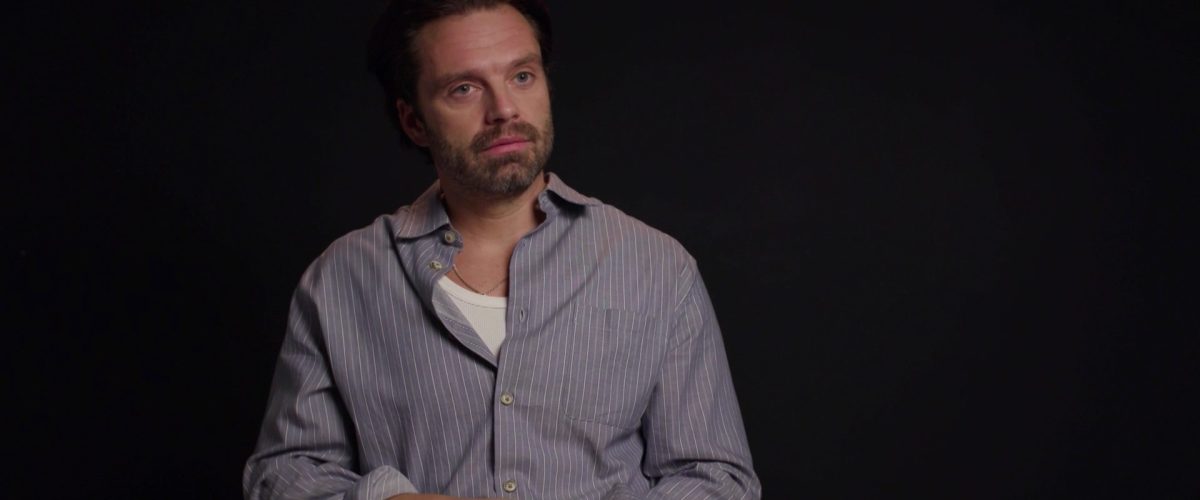
Sebastian Stan for Cultura la dub: “There are many female directors in Romania who have something to say.”
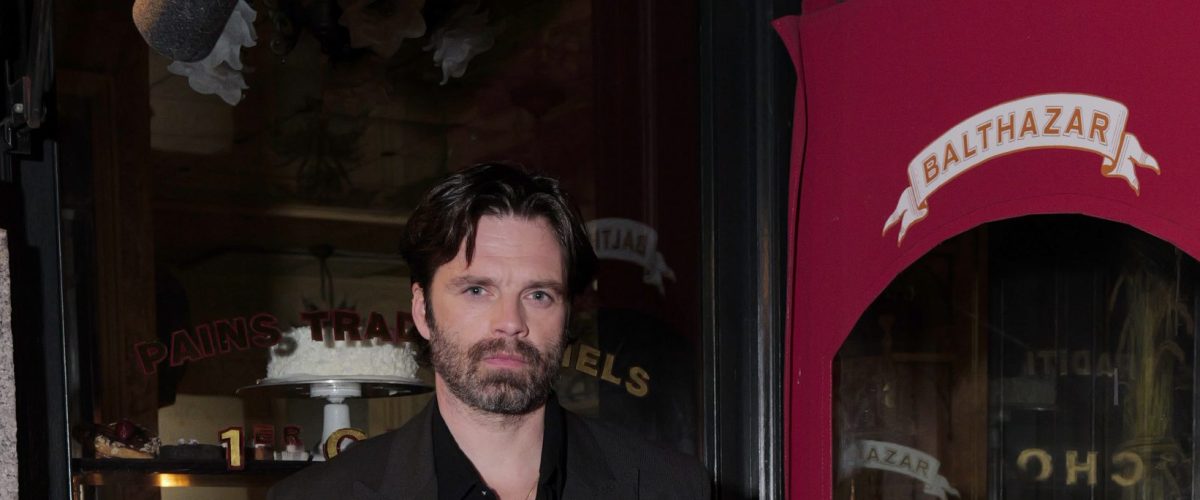
The project encountered several obstacles, and in its support came the American actor of Romanian origin, Sebastian Stan. Winner of the Golden Globe and nominated for the Oscars last year, Sebastian Stan tells exclusively for Cultura la dub? why he decided to get involved in the production of the film Malul vân?t . Known for his close relationship with his mother, to whom he dedicated his Golden Globe win, Sebastian Stan was impressed by the script by Andreea Bortun, which shows the struggle of a mother to give her son a better life.
“I was very happy to have this opportunity to support a project by a young director, just starting out, her first feature film.I think it’s really important, if we can, to support these new voices. Often great careers are born from these first steps. Think of Martin Scorsese, who debuted with Who’s That Knocking at My Door (1967) thanks to the support of producer Roger Corman, paving the way for masterpieces like Taxi Driver later. I can’t say that my support was as decisive, as important, but I tried to be with him in this endeavor as much as I could. My roots are there, in Romania, even though I left when I was only 8 years old, and the first time I returned was only when I was 21. This long break made the return not only physical, but much more revealing, I could even say spiritual. Through the films I make and my chosen profession, I want to contribute in a way that is beyond me, that goes beyond my personal ego. That’s why I got involved in Andreea Bortun’s film, because there are many female directors in Romania who have something to say. And she had a story that was a little similar to my story with my mother, there are some small parallels there. And it wasn’t just that that attracted me to this project, but also the way it was made: the research carried out over 6 years, the filming done in the four seasons, something quite rare for a fiction feature film. Over 60% of the cast are non-professionals from the regions where the filming took place, ordinary people who were given a real chance to interpret what they experience day to day and not just in a feature film. Including one of the main actors, the boy, which I consider to be a brave bet for a debut director, not many take it on,” Sebastian Stan told Cultura la dub .
Continue reading