Note: For the accompanying photoshoot click here Session #172 – Chuck Reyes [Untagged/UHQ]
It’s 12:15am on a Friday. The room is cool and dimly lit, and I’m lounging on a beanbag, wrapped in a maroon hoodie with a computer on my lap. On my screen, my interviewee wears a black hoodie and a white baseball cap.
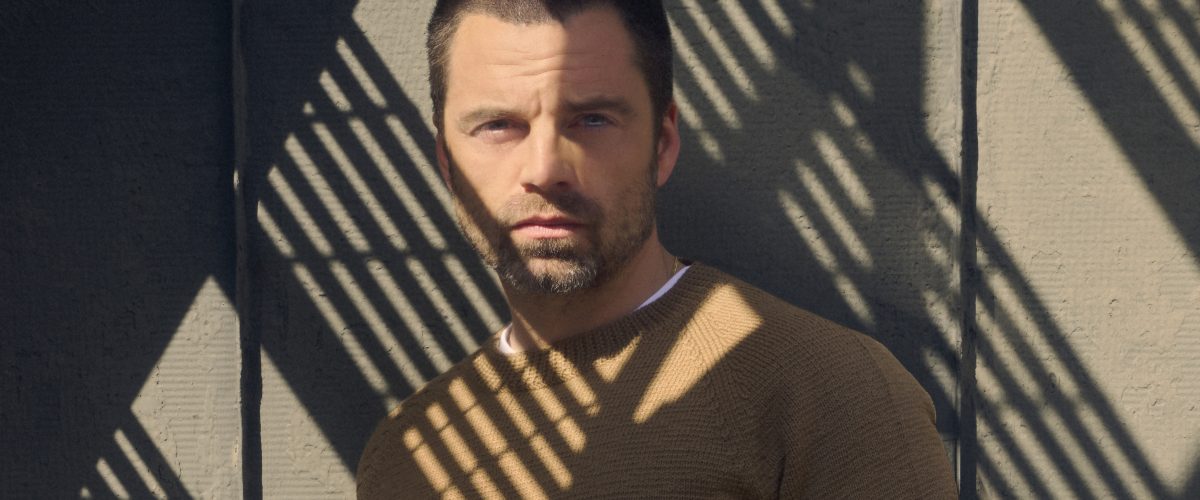
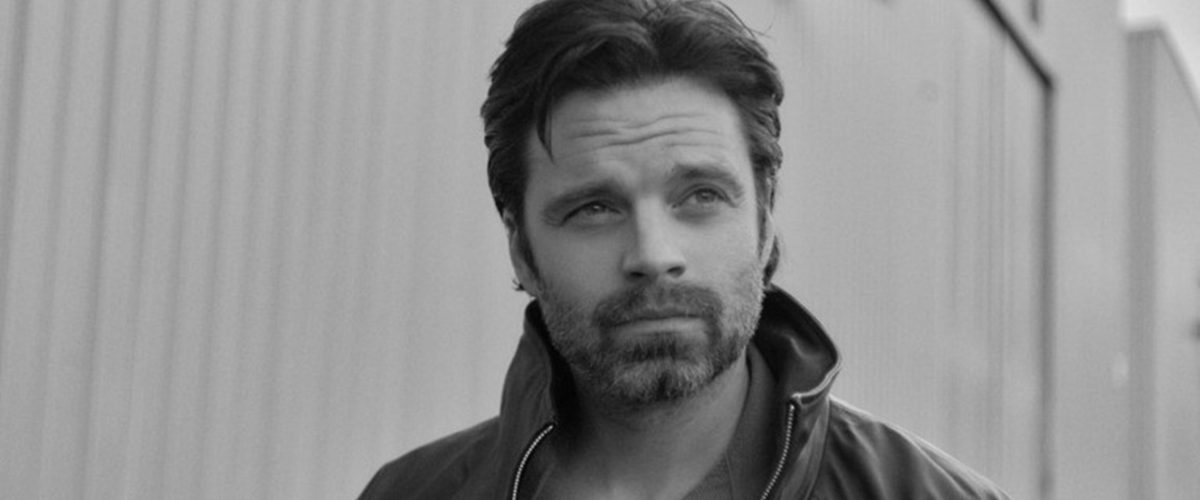
There aren’t many descriptors that can help visualise the spatial portrait of what goes on inside a virtual interview—especially so when you’re interviewing Sebastian Stan. He fills the display. As he leans forward over his desk, a yellow lamp catches the stray tousles of brown hair curling from beneath his cap. I opened with a question: how does he deal with the discomfort that comes from playing the characters that he does?
“I think discomfort is something we all have to deal with at various levels, but when it’s connected to work and art or being creative, it’s the kind of discomfort that I’m seeking,” he says.
Stan has built a reputation in the industry for being somewhat of a chameleon. Able to slip inside the skin of a controversial sex symbol with a soul patch in one moment, then trade that for another with an orange complexion belonging to an uncurbed president.
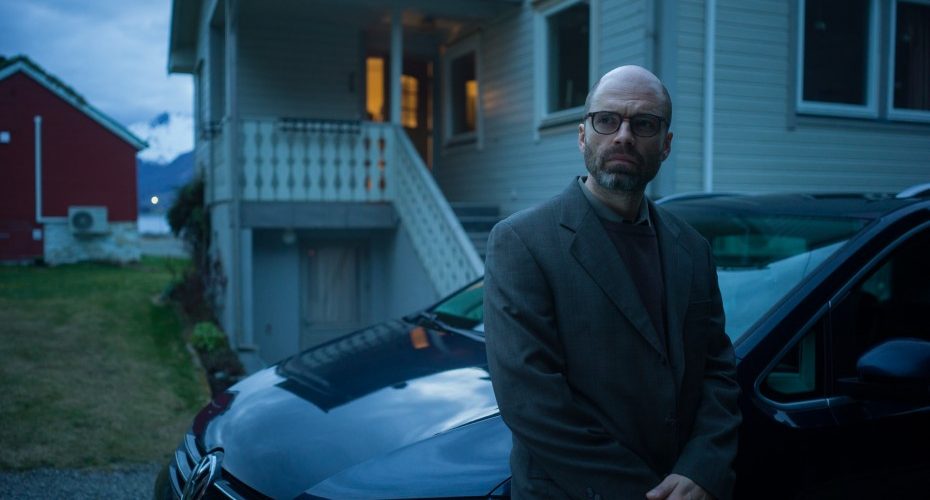
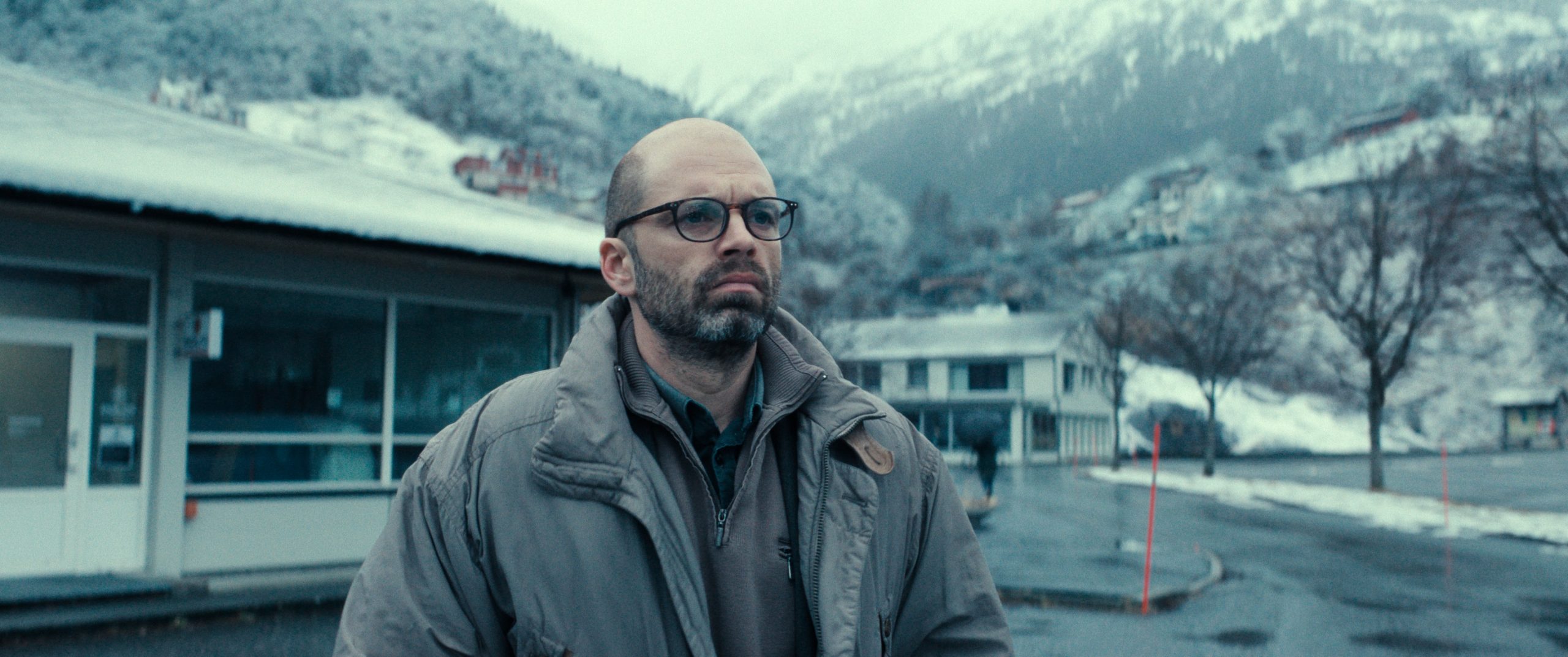
In one of his more recent projects, his character undergoes a radical medical procedure to reconstruct his face in Aaron Schimberg’s A Different Man, a performance that earned him a Best Actor in a Motion Picture—Musical or Comedy award at the Golden Globes. This change in physicality borders on the edge of metamorphosis, and naturally demanded a certain degree of emotional energy and vexation to fit into these characters.
For a man whose career may be known to many for playing a Marvel superhero, the road he’s taken since is quite unconventional. He has since leaned into independent cinema, television, and even playing characters that are deliberately hard to love.